



Skip to content

Impact & Projects

Proven through action.

Every partnership, every project, and every kilogram recovered strengthens the recovery infrastructure Sri Lanka needs.

From internationally funded programmes to community-led recovery initiatives, NRC delivers practical solutions that combine environmental recovery, local livelihoods, and long-term recycling capacity.

Impact isn't separate from our business.
It's proof that our system works.

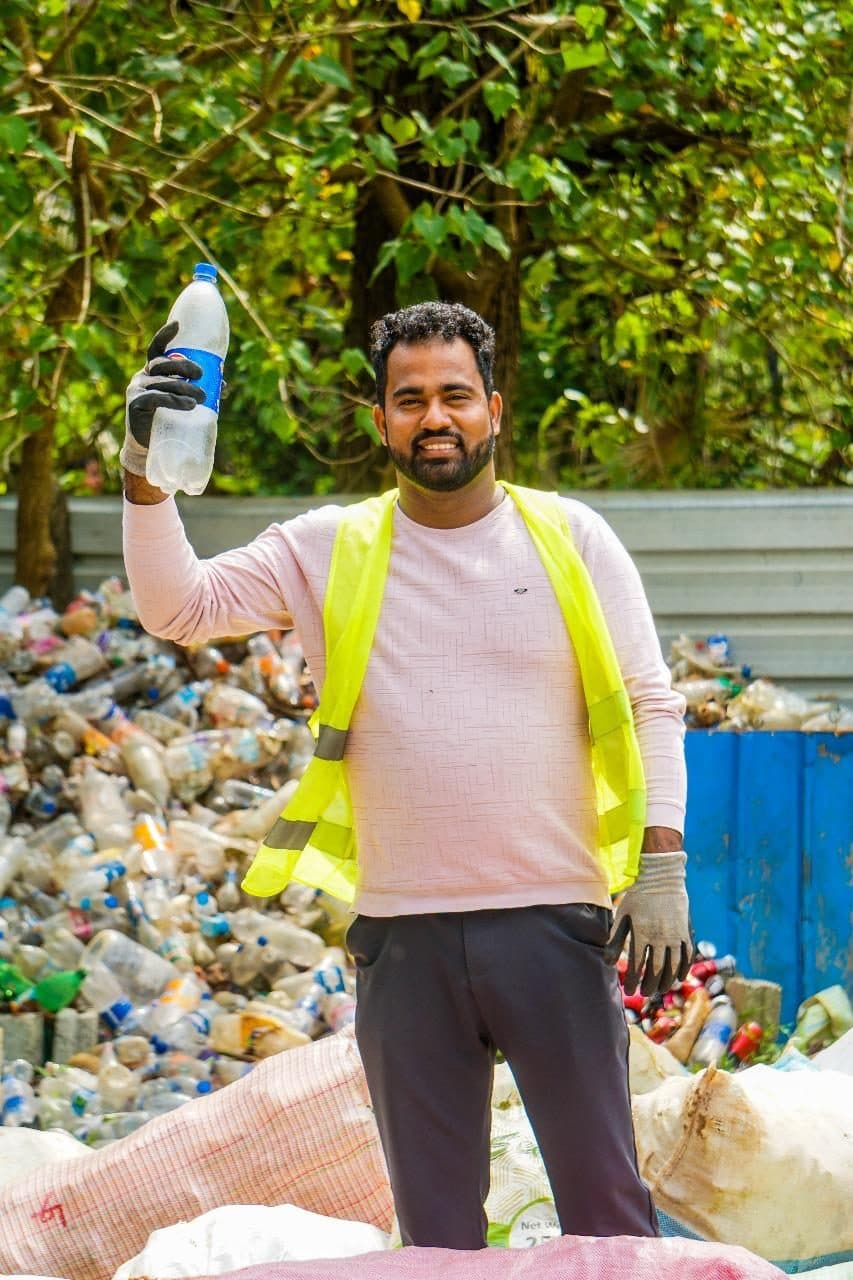
An NRC collector in a high-visibility vest holding up a recovered bottle in front of masses of collected plastic bottles.

01The numbers

Impact by the numbers.

Programme outcomes and NRC network activity, as of 30 June 2026.

Plastic intercepted before reaching the environment
1,536,000kg

Plastic intercepted before reaching the environment

MRFs across 16 districts
20

MRFs across 16 districts

Central recycling facility (Millaniya)
1

Central recycling facility (Millaniya)

People reached with awareness
88,000

People reached with awareness

Schoolchildren reached
66,911

Schoolchildren reached

School programmes conducted
623

School programmes conducted

Green jobs created
150+

Green jobs created

Collection points island-wide
1,000+

Collection points island-wide

Collection e-bicycles deployed
38

Collection e-bicycles deployed

Cleanups conducted
234

Cleanups conducted

Pollution hotspots mapped
3,106

Pollution hotspots mapped

Women's associations reached
177

Women's associations reached

Plastic figures refer to material intercepted before reaching the environment.

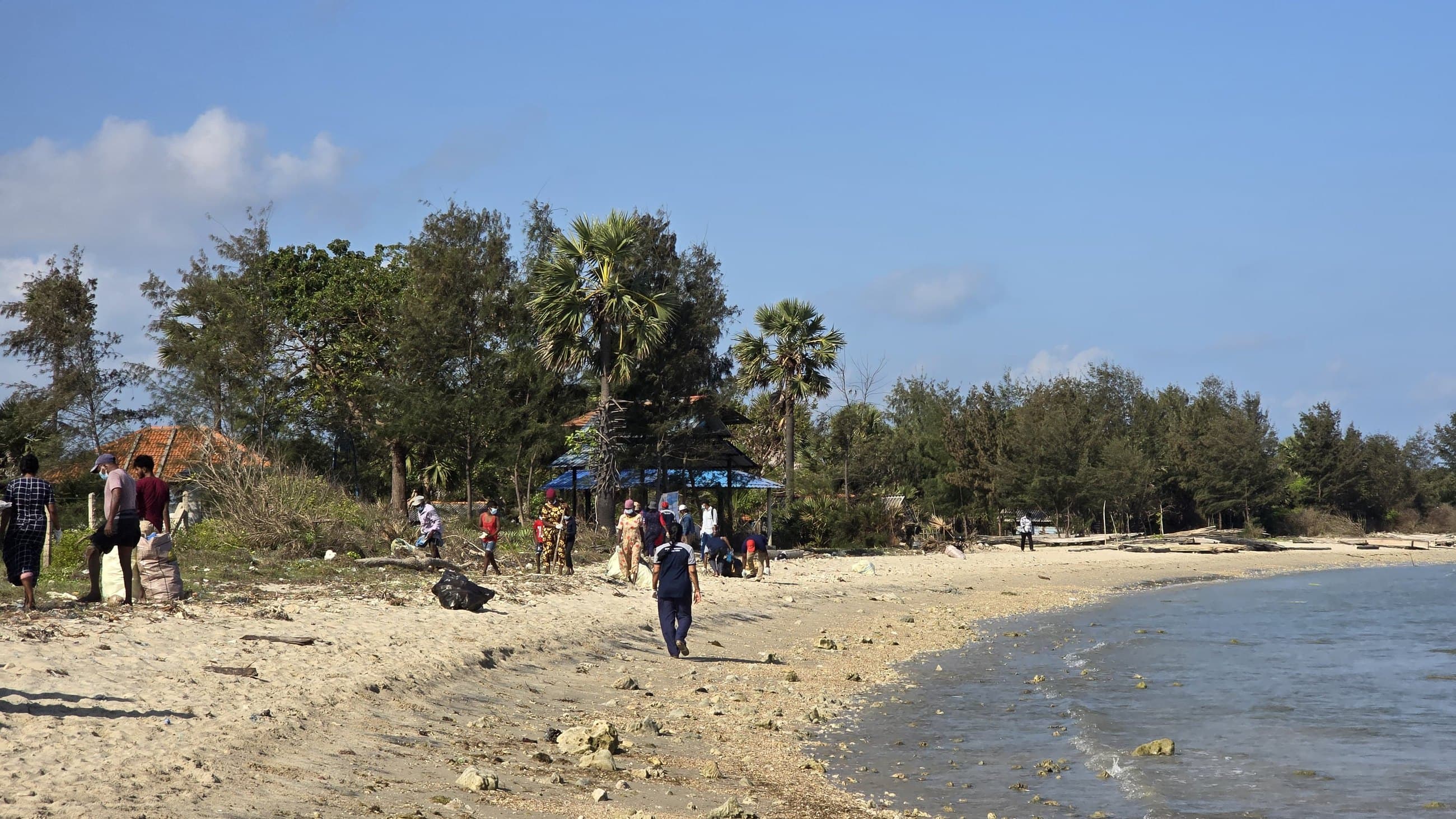
NRC beach cleanup on a rocky stretch of coastline.

02Projects

Flagship projects

NRC was awarded a Regional Competitive Block Grant to implement Building a Blue Lanka by Uplifting Communities (BLUECAP) under the Plastic Free Rivers and Seas for South Asia (PLEASE) project: implemented by the South Asia Co-operative Environment Programme (SACEP), funded by the World Bank, and supported by the United Nations Office for Project Services (UNOPS).

Through a 1.5 million USD grant, NRC delivered the project with its partners Janathakshan and ECOSpindles across 15 districts, building recovery infrastructure and promoting the behavioural change that keeps plastic out of Sri Lanka's rivers and seas.

Behind the numbers are people: women like Viji, who grew a family collection initiative into one of Sri Lanka's first women-owned Material Recovery Facilities; schools where recovered plastic funds books, facilities and student activities; and collectors like Kanthan and Kanthi, whose e-bikes and equipment turned recovery into stable, professional livelihoods. Their stories continue below.

  • Feb 2024 – June 2025
  • USD 1.5M grant
  • 15 districts
  • 2,777 hotspots mapped
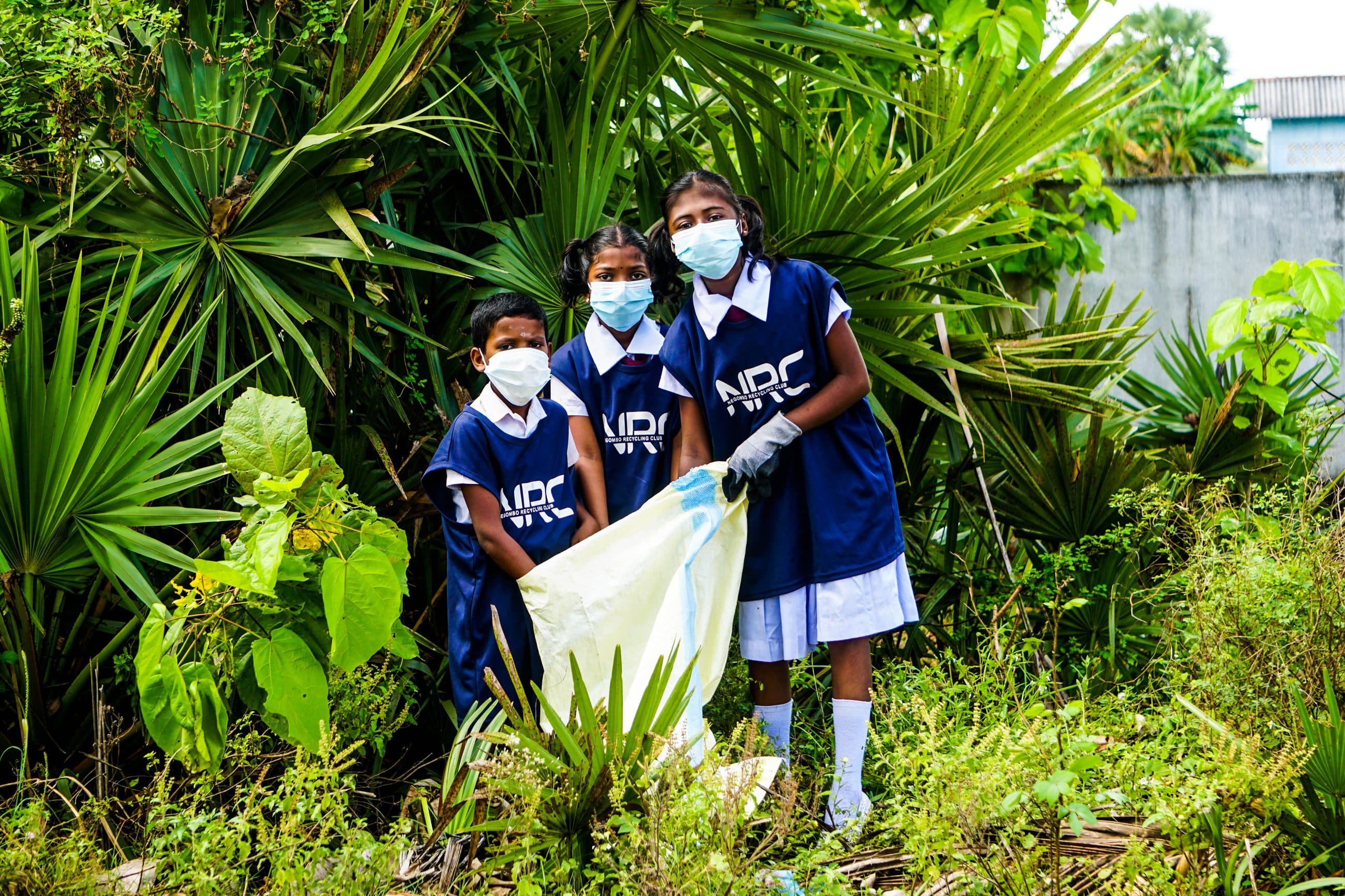
Three schoolchildren in NRC vests holding a collection bag together during a school cleanup.
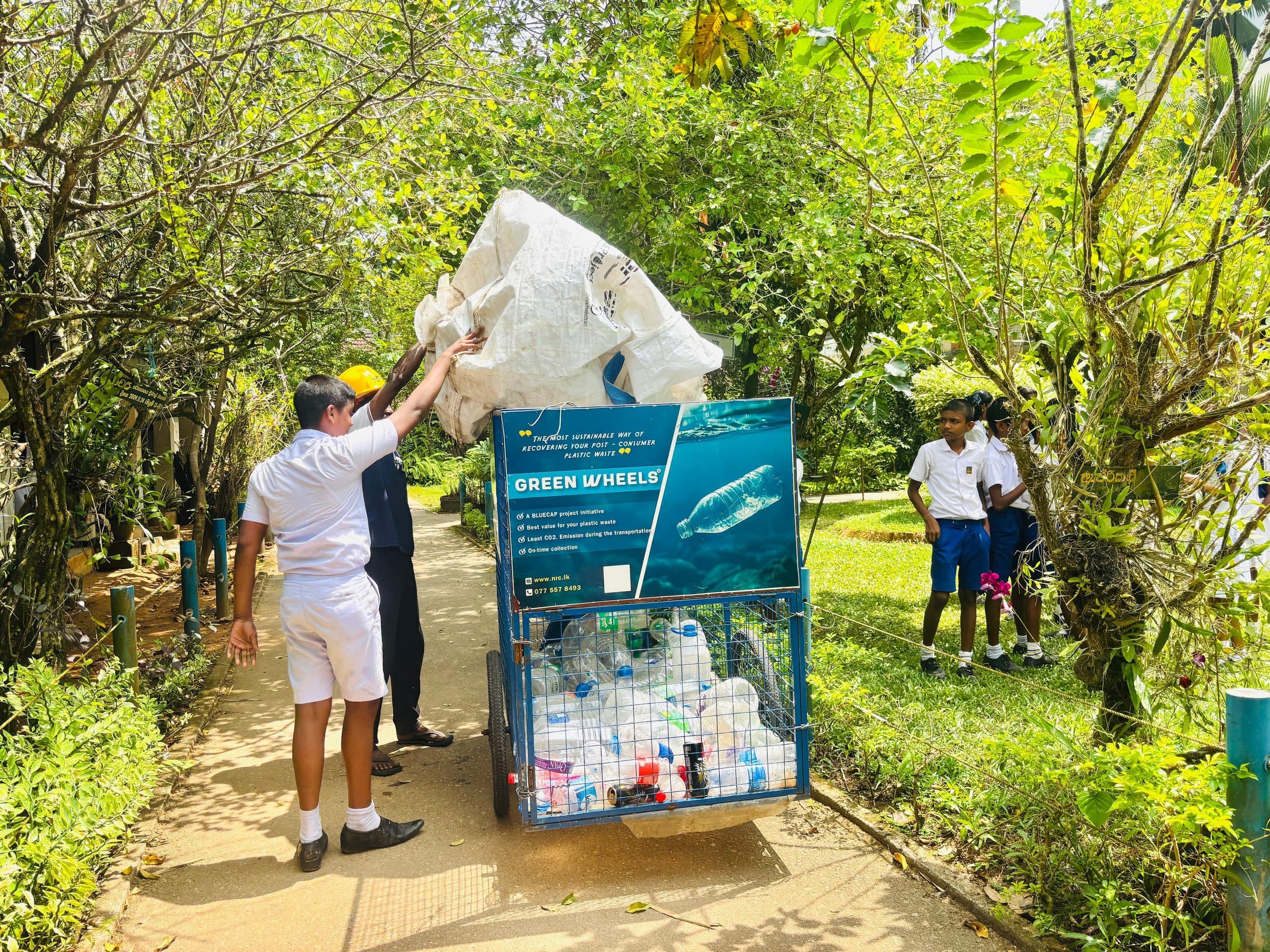
Emptying a bag of collected plastic into a Green Wheels collection cart during a BLUECAP school programme.

Delivered with

BLUECAPJanathakshanNegombo Recycling ClubPLEASE Project, Plastic Free Rivers and Seas for South Asia: implemented by SACEP, supported by the World Bank Group and UNOPS

Partner marks shown in factual project context.

03People

Stories from the field.

Recovery measured in livelihoods, not only kilograms.

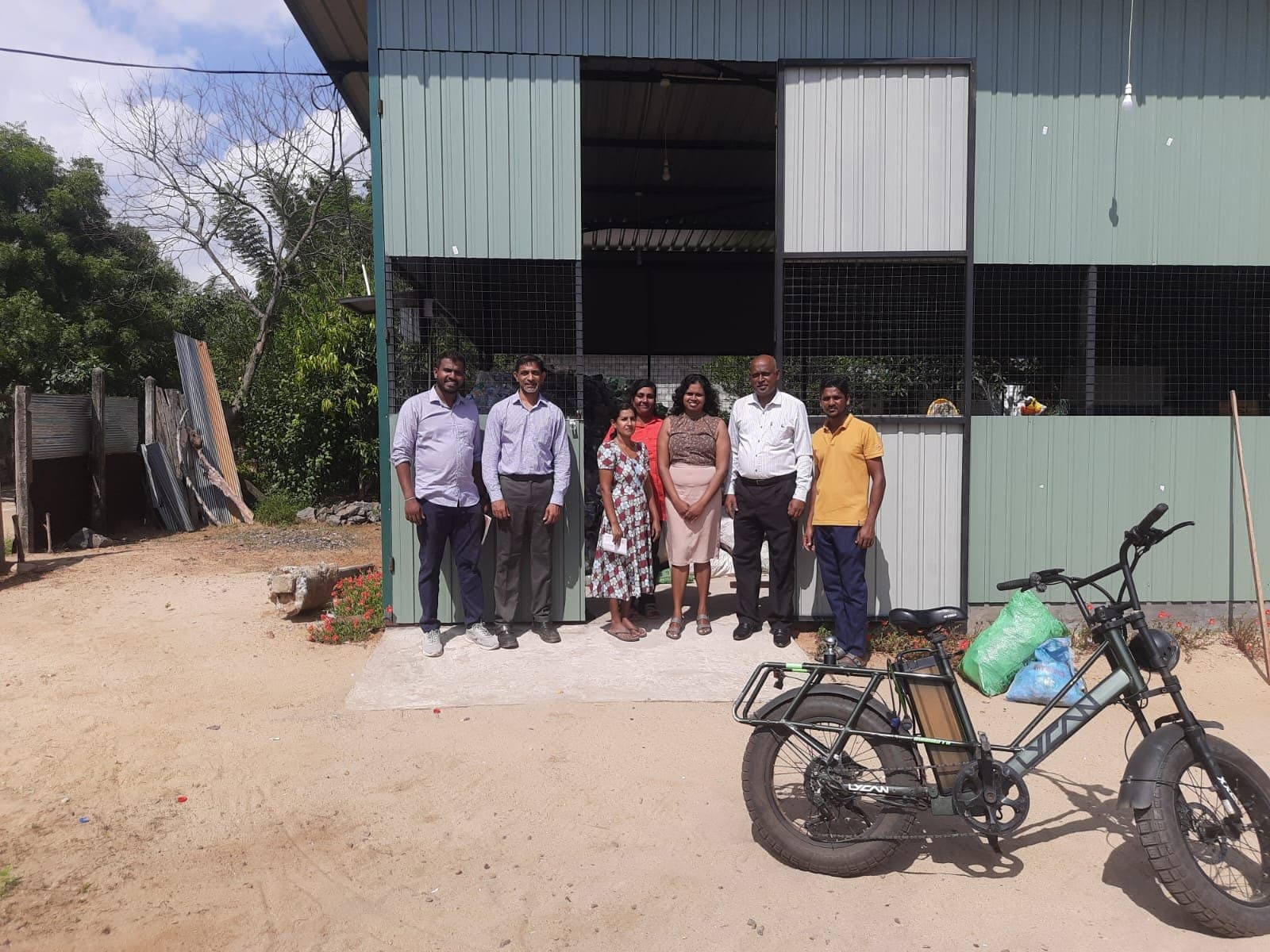
Viji with her team and a collection e-bike outside the Material Recovery Facility she leads.

Women in recovery

Women leading the circular economy

When Viji first began recovering plastic with her husband, it was simply a way to supplement the family's income. Through the BLUECAP programme, that small initiative grew into one of Sri Lanka's first women-owned Material Recovery Facilities.

Today, Viji leads the facility, manages material recovery from local authorities and institutions, and has created employment opportunities for other women in her community. With growing experience in operations, documentation, and business management, she is building more than a recycling business: she is helping strengthen Sri Lanka's circular economy from the ground up.
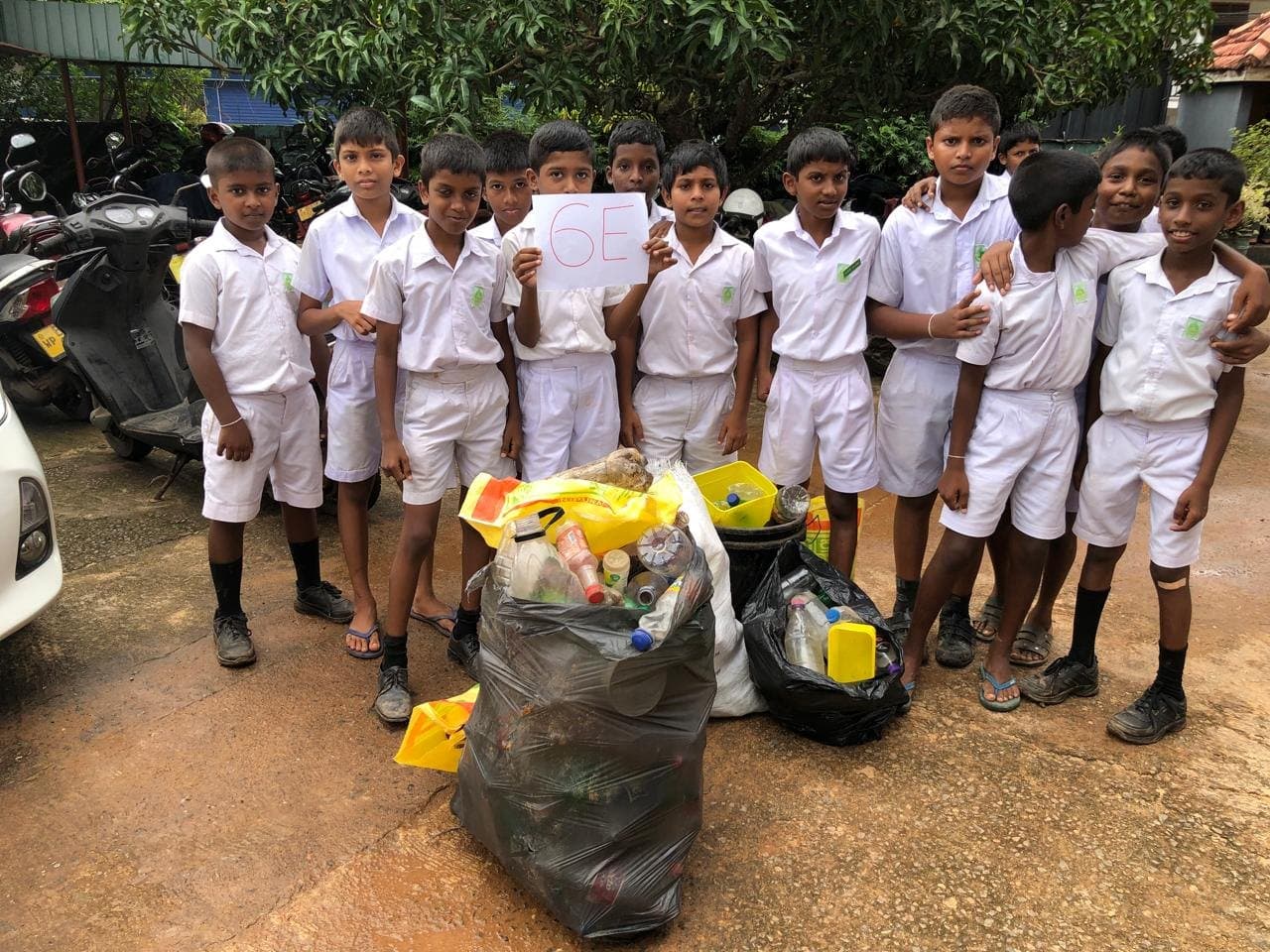
Students of Bandaranayake School with bags of plastic collected through their school recovery programme.

Education

A school turning plastic into opportunity

At Bandaranayake School in Kalutara, environmental awareness quickly became action. Following a BLUECAP awareness programme, students organised clean-up campaigns, launched school-wide plastic recovery initiatives, and installed a community collection point. The material they recovered generated funds that helped improve school facilities, support teachers, purchase books, and fund student activities.

What began as an awareness programme has become a self-sustaining model where environmental stewardship directly benefits education, strengthens community engagement, and inspires the next generation to lead positive change.

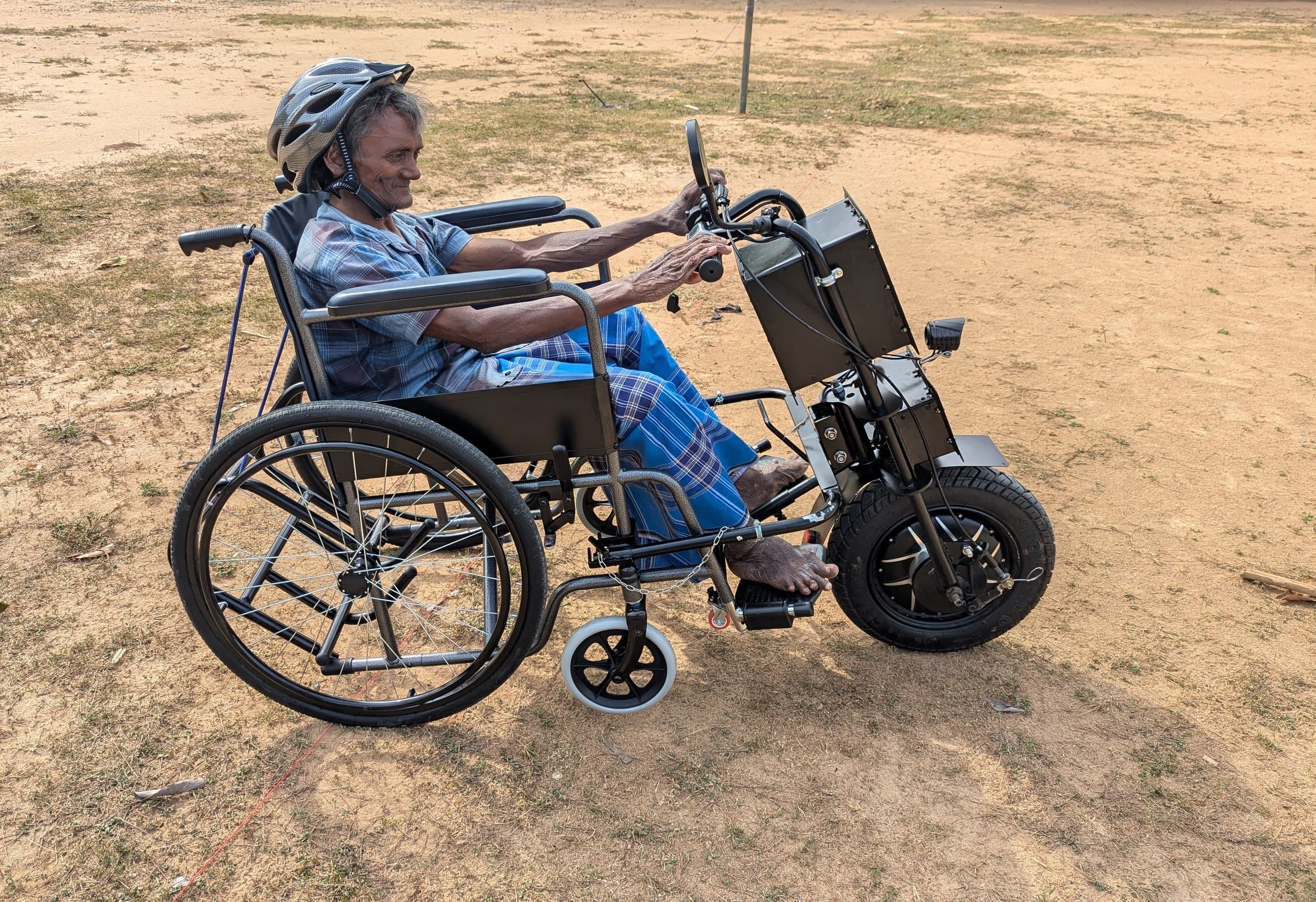
Kanthan setting off across open ground on his adaptive e-tricycle.

Inclusion

Building a new beginning

After years of personal hardship, Kanthan found a new opportunity through plastic recovery. Supported with an adaptive e-tricycle and collection equipment through the BLUECAP project, he restarted recovering plastic across his community and now supplies material into NRC's recovery network.

Beyond providing a stable source of income, the work has restored confidence, independence, and a renewed sense of purpose, demonstrating how inclusive recovery systems can create opportunities for everyone.

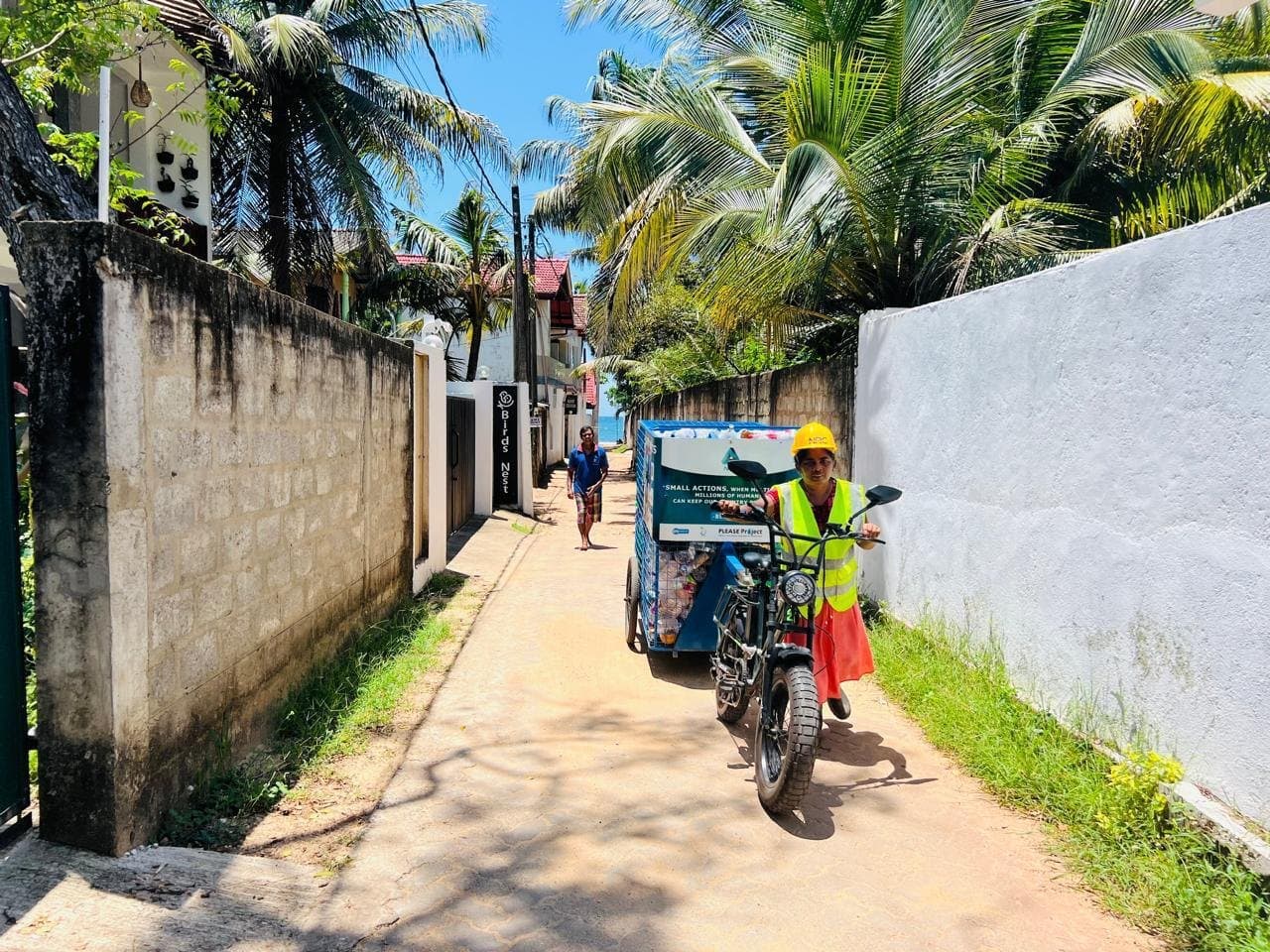
Kanthi wheeling her collection e-bike through a lane in Mirissa.

Livelihoods

Turning determination into opportunity

In the coastal community of Mirissa, Kanthi transformed plastic recovery into a professional livelihood. With support from the BLUECAP project, including an e-bike and collection equipment, she significantly expanded her recovery network, serving households, businesses, and tourism establishments throughout the area.

The increased income has helped support her family, while the equipment and training have given her the confidence to work professionally with hotels and commercial partners. Today, she is recognised as an important contributor to her community's recycling efforts, proving how practical recovery solutions can create lasting economic and social value.

Stories from the BLUECAP Success Stories collection.

What remains

Building more than recovery.

Recovery infrastructure.

Stronger recycling capacity.

New livelihood opportunities.

Greater transparency.

A reliable supply of recycled materials for Sri Lankan industry.

By investing in systems rather than short-term campaigns, every partnership leaves behind infrastructure that continues creating value long after a project has ended.

Our impact isn't measured only by what we recover.
It's measured by the systems we leave behind.

Next project

Let's build the next project together.

Whether you're developing an EPR programme, funding recovery infrastructure, or looking to strengthen recycling capacity, NRC is ready to partner.